
Arabic philosophy fits in the modern period and is still thriving. Some people think Arabic philosophy died with Al Ghazali’s attack on philosophers. Henry Corbin claimed European studies impoverished. Many thinkers lack Arabic, they can’t read or access the texts. So, in the European world there wasn’t enough information about philosophers after Avicenna. This isMeer lezen over “The Isfahan School”
Tag archief:arabic
Maimonides
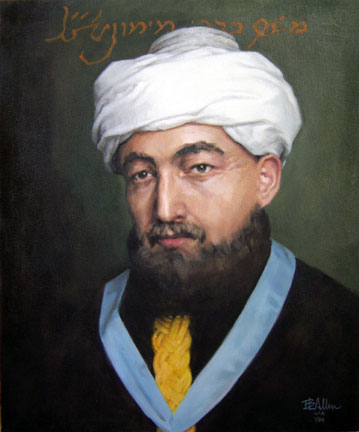
Jewish philosophy is related to Arabic philosophy. It’s not an unknown fact that the Arabic world is predominated by Muslims. But the Jews were certainly a part of the Middle East as well. The Jews were also big contributors. The Jewish tradition was very dynamic. Some Jews introduced Latin in the Arabic world. Judaism isMeer lezen over “Maimonides”
Kalam; a way of seeing the world
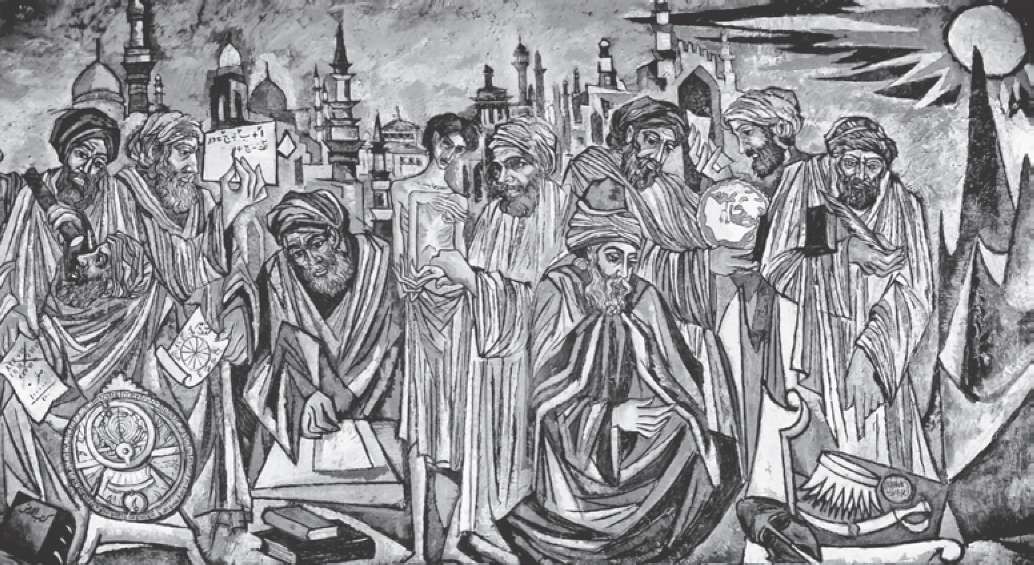
Arabic philosophy is not identical to Islamic philosophy. Arabic philosophy can be religious, so it can be about the Islam, but it can also be about Judaism or Christianity. Kalam (=Intelligent speech) started as an intra Muslim disputation. Early religious concerns in the 700s and 800s ad were addressed. Topics about free will, God’s nature,Meer lezen over “Kalam; a way of seeing the world”
Knowledge as a commodity

Aristotle was seen as the first master. He lived from 384-322 BC. It took quite some time before the next big philosopher was discovered. Al-Farabi (872-950) was seen as the next big hit. Still, the third master hasn’t been discovered yet. Al-Farabi wasn’t just a philosopher, he was also a scientist, musician, logician, cosmologist andMeer lezen over “Knowledge as a commodity”
 Juliette's blog