
There are several views on how Fideism is seen. Plantiga tries to describe it as something exclusively relying upon faith in order to find philosophical truth. Yet, fideism is often seen as a field that opposes reason and therefore it couldn’t be the scope of philosophy. However, this popular anti-rationalism approach is not true. TheMeer lezen over “Fideism”
Auteur archief:juliette_kooij@hotmail.com
Muhammad Husayn Tabataba’i

A lot of scientists are still sceptical about philosophy, because they don’t understand what is taught, because it’s not an exact science. And that while philosophy is so important, it helps you to understand religion and politics and helps you to come to terms with scientific theories like the big bang. Tabataba’i is a philosopherMeer lezen over “Muhammad Husayn Tabataba’i”
The Isfahan School

Arabic philosophy fits in the modern period and is still thriving. Some people think Arabic philosophy died with Al Ghazali’s attack on philosophers. Henry Corbin claimed European studies impoverished. Many thinkers lack Arabic, they can’t read or access the texts. So, in the European world there wasn’t enough information about philosophers after Avicenna. This isMeer lezen over “The Isfahan School”
Ismailism
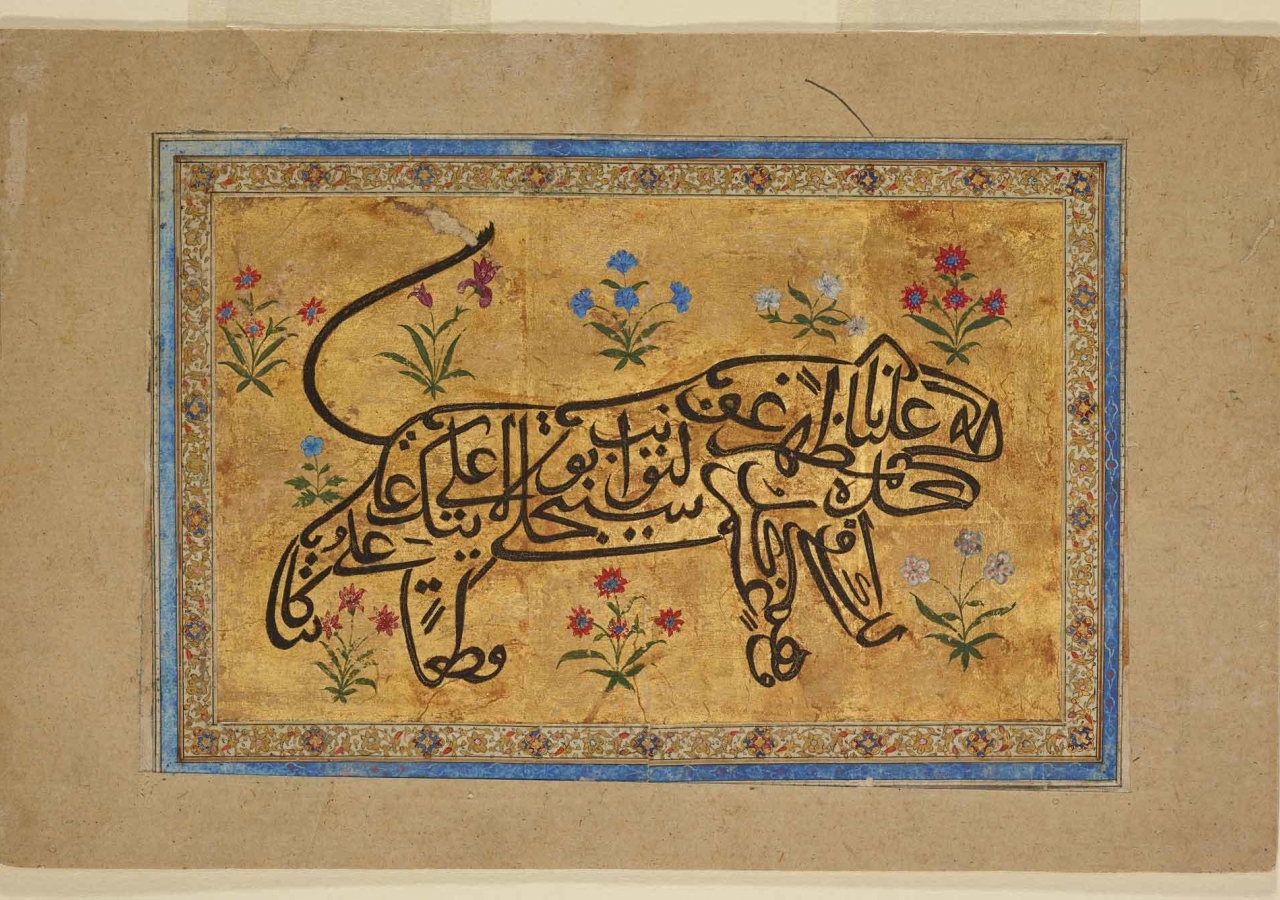
Ismailism is a branch in the Islam. They are a minority within the shia Muslims. They are often misunderstood because lying is allowed in their field. But it certainly isn’t always allowed. The medievalist didn’t permit lying at all except for one circumstance; when your life is in a threatening situation and by lying youMeer lezen over “Ismailism”
Maimonides
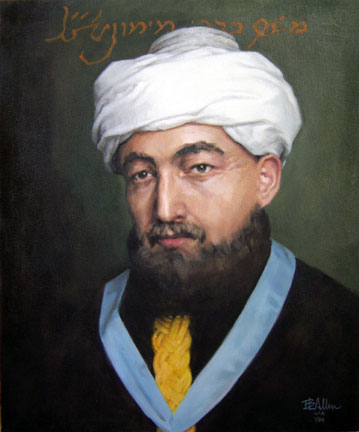
Jewish philosophy is related to Arabic philosophy. It’s not an unknown fact that the Arabic world is predominated by Muslims. But the Jews were certainly a part of the Middle East as well. The Jews were also big contributors. The Jewish tradition was very dynamic. Some Jews introduced Latin in the Arabic world. Judaism isMeer lezen over “Maimonides”
Is metaphysics a bad philosophy?

According to Aristotle, metaphysics is utterly important. It’s the first philosophy that is concerned with ‘the first causes and principles of things.’ The field needs to explain things that are beyond the physical world. Theology is a field that is concerned with metaphysical questions and puts God in the centre. Al-Ghazali is notorious for beingMeer lezen over “Is metaphysics a bad philosophy?”
Avicenna, a systematiser of philosophy
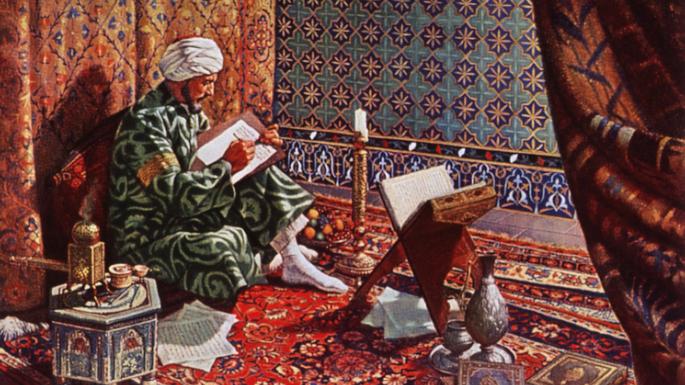
Avicenna introduced a new chapter in philosophy. He didn’t continue the path of Aristotelean philosophy. He became a dominant figure. He diverges in Islamic thought. What’s impressive is that he gives a combination of 2000 years of philosophical activity, explained and clarified. By systemising, ingredients are used to form a new tradition. This led toMeer lezen over “Avicenna, a systematiser of philosophy”
Kalam; a way of seeing the world

Arabic philosophy is not identical to Islamic philosophy. Arabic philosophy can be religious, so it can be about the Islam, but it can also be about Judaism or Christianity. Kalam (=Intelligent speech) started as an intra Muslim disputation. Early religious concerns in the 700s and 800s ad were addressed. Topics about free will, God’s nature,Meer lezen over “Kalam; a way of seeing the world”
Knowledge as a commodity

Aristotle was seen as the first master. He lived from 384-322 BC. It took quite some time before the next big philosopher was discovered. Al-Farabi (872-950) was seen as the next big hit. Still, the third master hasn’t been discovered yet. Al-Farabi wasn’t just a philosopher, he was also a scientist, musician, logician, cosmologist andMeer lezen over “Knowledge as a commodity”
How to approach Arabic Philosophy?

Study of Arabic/Islamic/Middle-East philosophy? When you look at the history of the Arabic world, you notice history and philosophy are strongly intertwined. Empires preferred monistic religions. An emperor was seen as the mediator to God, which is beneficial for the emperor, so he could be better obeyed. The idea was picked up from the Greek,Meer lezen over “How to approach Arabic Philosophy?”
 Juliette's blog